
2026 POSYDON School
24-27 August,
Versoix, Switzerland
2026 POSYDON School
Join us in Geneva for the 2026 POSYDON School and learn how to use POSYDON, a state-of-the-art binary population synthesis code now in its second version. This four-day workshop is designed to help participants incorporate POSYDON effectively into their own research.
Through a series of hands-on labs, we will explore astrophysical scenarios such as mass-transfer stability, supernovae, binary black-hole populations, and more, showcasing how POSYDON can advance your research goals. Participation is limited to 25 attendees to keep the school highly interactive and discussion-driven.
Where
Geneva Observatory,
Chemin Pegasi 51,
CH-1290 Versoix,
Switzerland
When
Monday to Thursday
24-27 August
School Program
Registration
Participant check-in and welcome at the Geneva Observatory.

Welcome Tassos Fragos
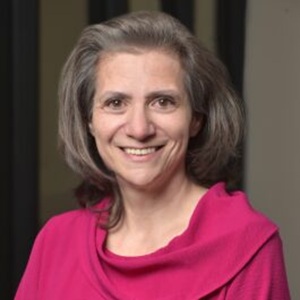
Lecture Vicky Kalogera
Introduction to POSYDON and Binary Black-Hole Populations
Overview of the POSYDON framework and its applications to compact-object binary populations.
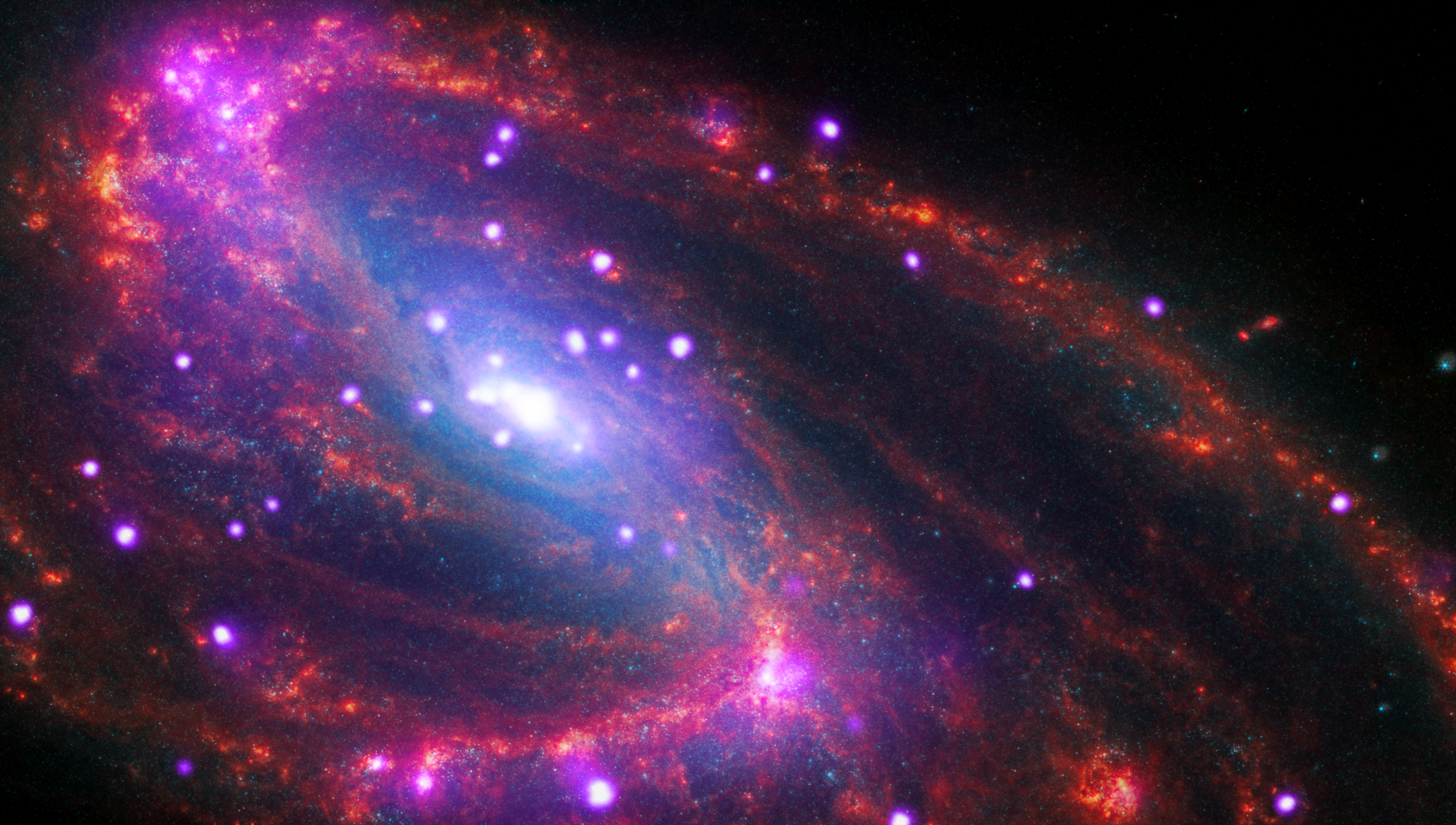
Lab Basic Population Analysis
Introduction to binary population synthesis workflows using POSYDON.
Coffee Break
Observatory's Cafeteria
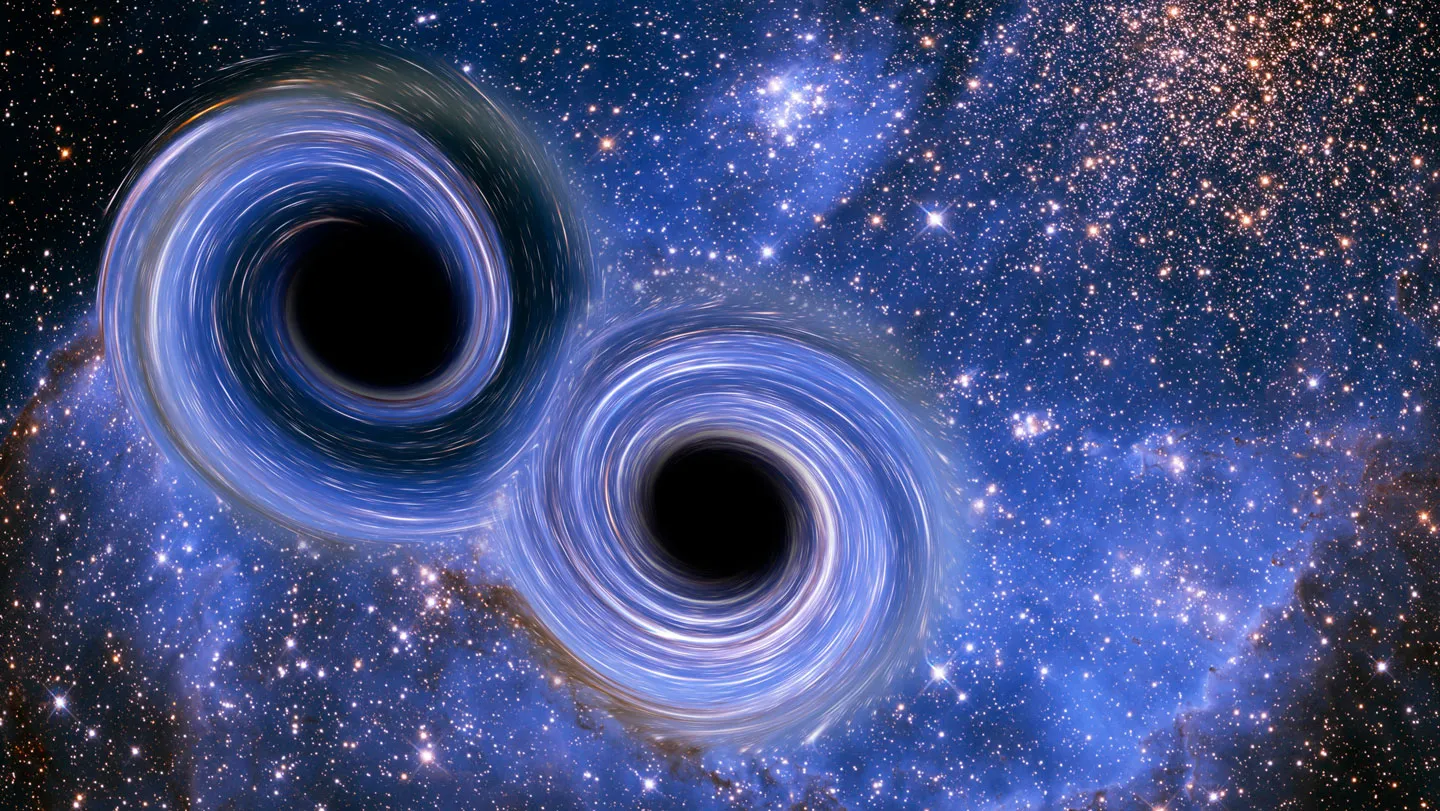
Lab Basic Binary Populations
Manipulating and analyzing POSYDON population synthesis outputs.
Lunch
Observatory's Cafeteria
Lecture Seth Gossage
Tides and Magnetic Braking
Modeling angular momentum evolution in detached binaries.
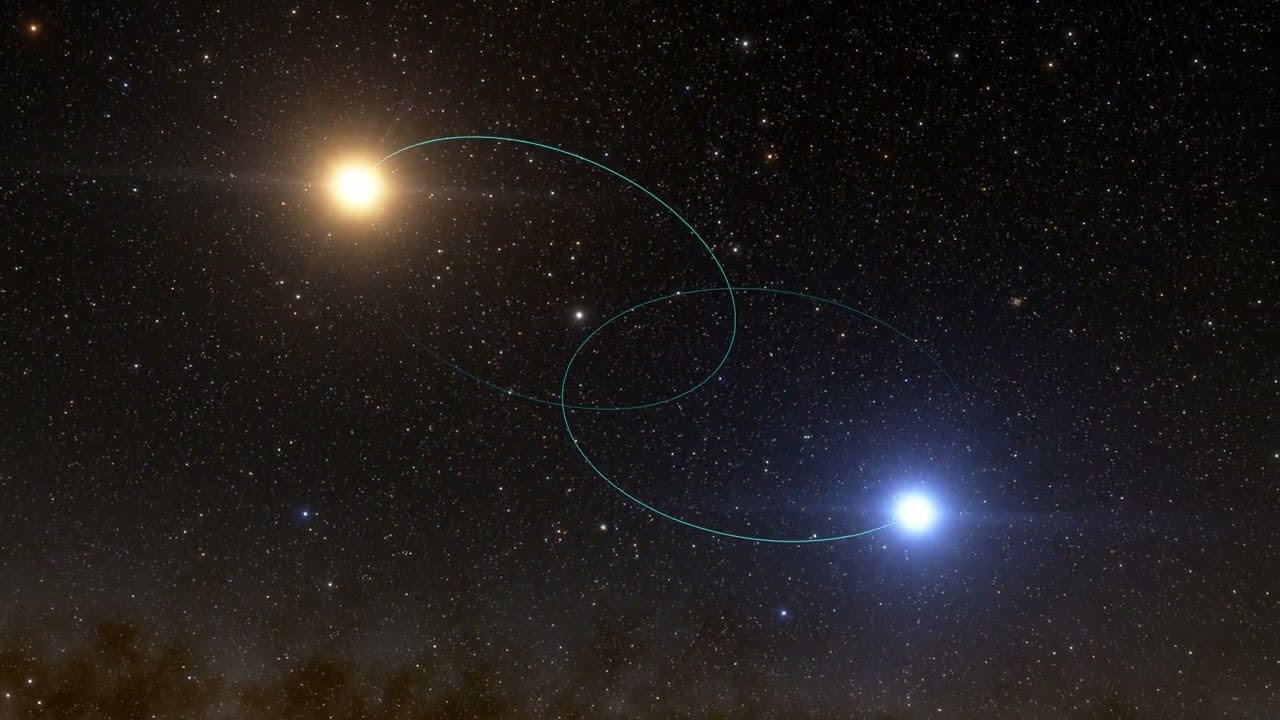
Lab Detached Binary Evolution
Simulating detached binary evolution channels.
Coffee Break
Observatory's Cafeteria
Lab Detached Binary Evolution
Simulating detached binary evolution channels.
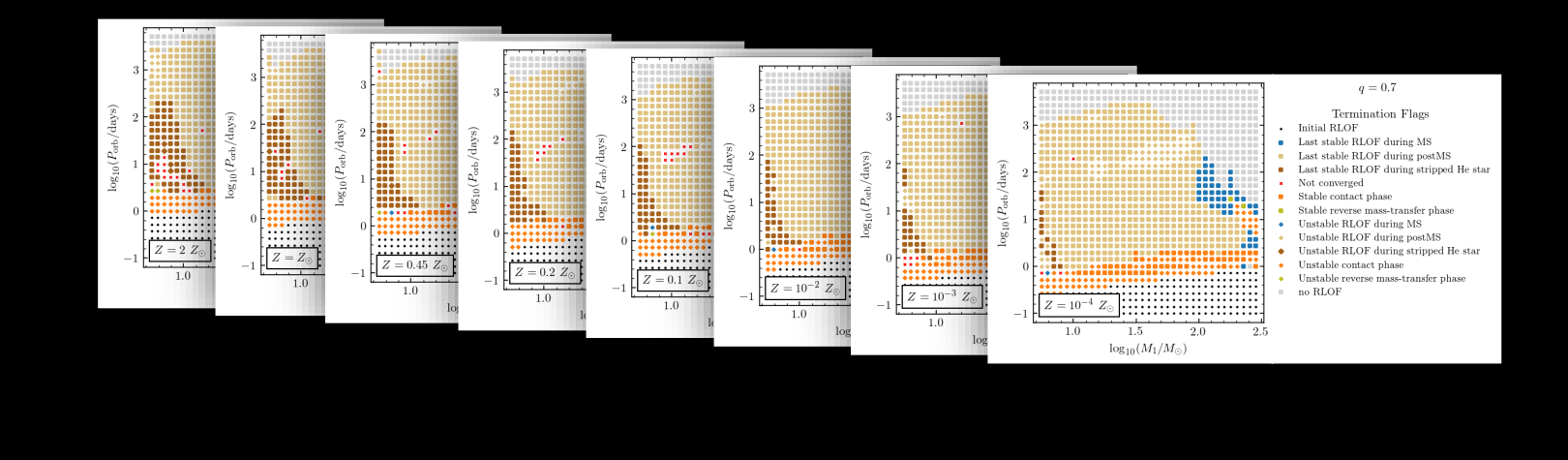
Lab Grid Visualization
Exploring and visualizing stellar evolution grids in POSYDON.
Coffee Break
Observatory's Cafeteria

Lecture Jeff Andrews
Common Envelope Evolution in POSYDON
Physical treatment and implementation of common-envelope evolution in POSYDON.
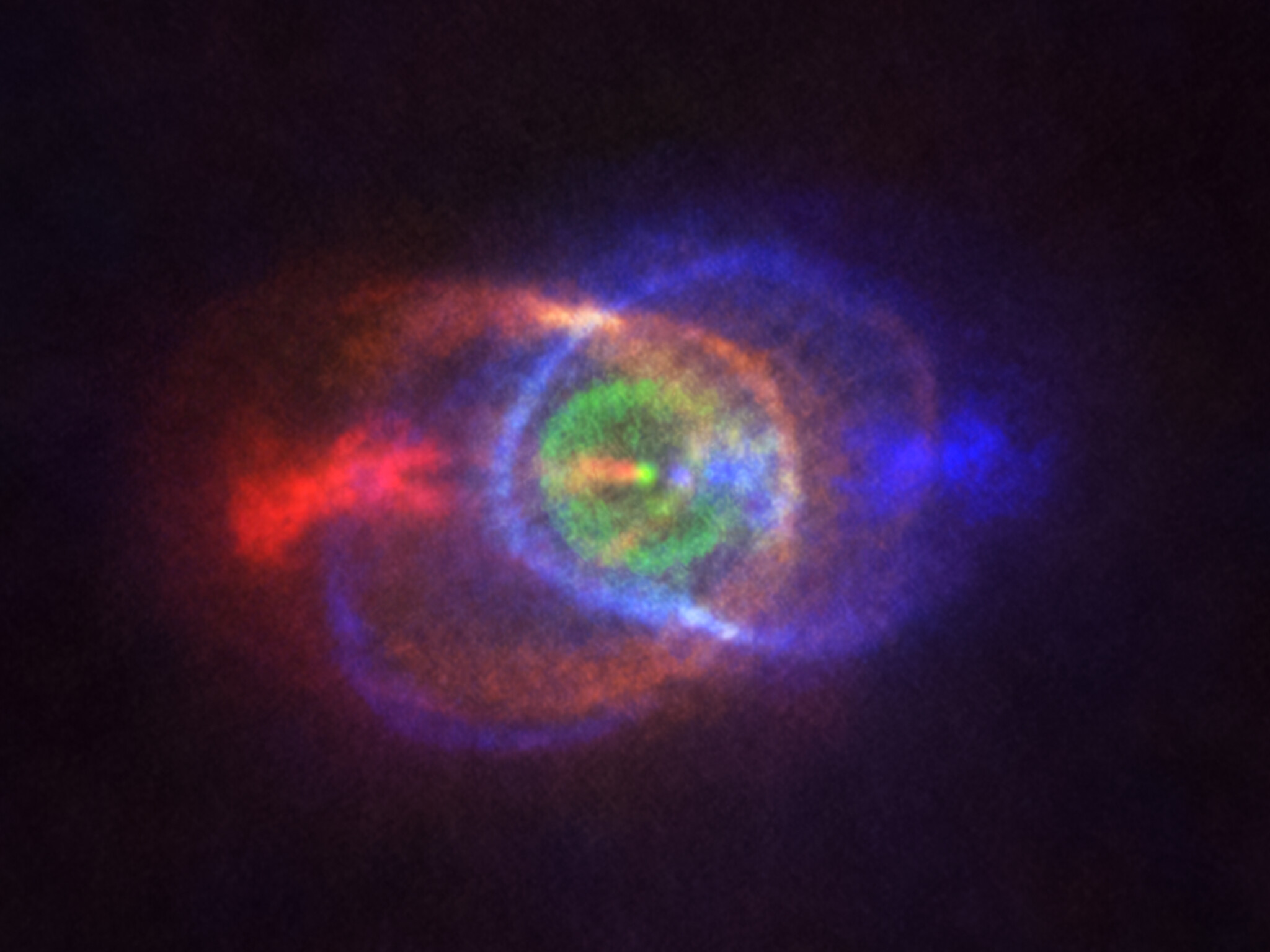
Lab Controlling CE Evolution in POSYDON
Exploring and modifying common-envelope prescriptions in simulations.
Lunch
Observatory's Cafeteria
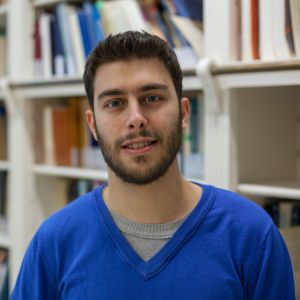
Lecture Manos Zapartas
Supernova Populations and Extracting Progenitor Properties
Connecting stellar evolution calculations with supernova populations and progenitors.
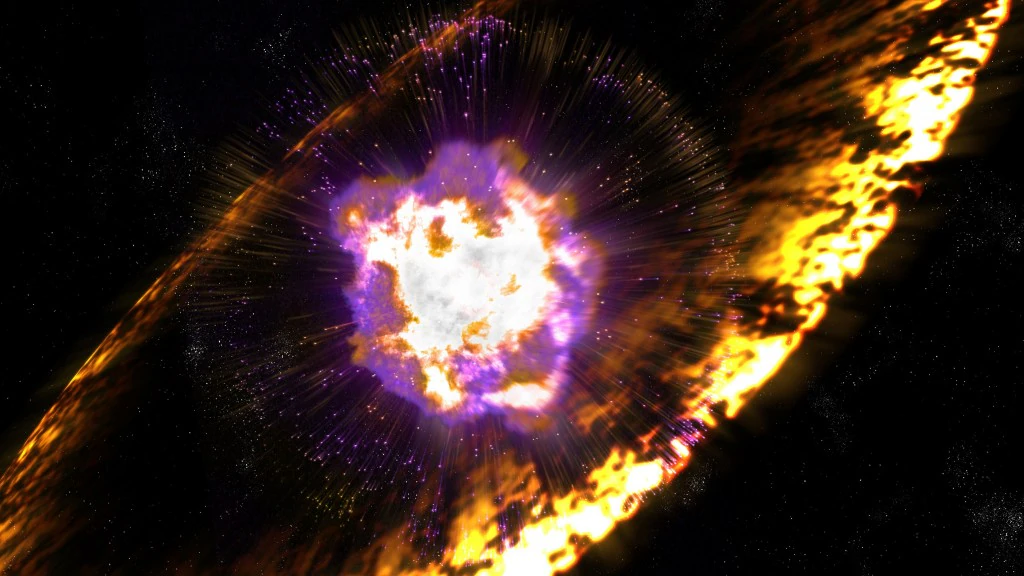
Lab Profiles and Surface Properties
Working with stellar structure profiles and surface quantities in POSYDON outputs.
Coffee Break
Observatory's Cafeteria
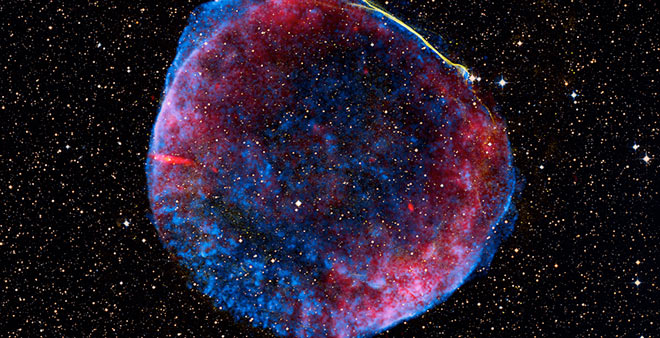
Lab SN Kicks and Types
Exploring supernova prescriptions, natal kicks, and transient classifications.
Lecture Tassos Fragos
X-ray Binaries and Super-Eddington Accretion
Modeling X-ray binary populations and accretion physics in POSYDON.
Lab Non-instantaneous Populations
Simulating evolving X-ray binary populations and luminosity functions.
Coffee Break
Observatory's Cafeteria
Lecture Mike Zevin
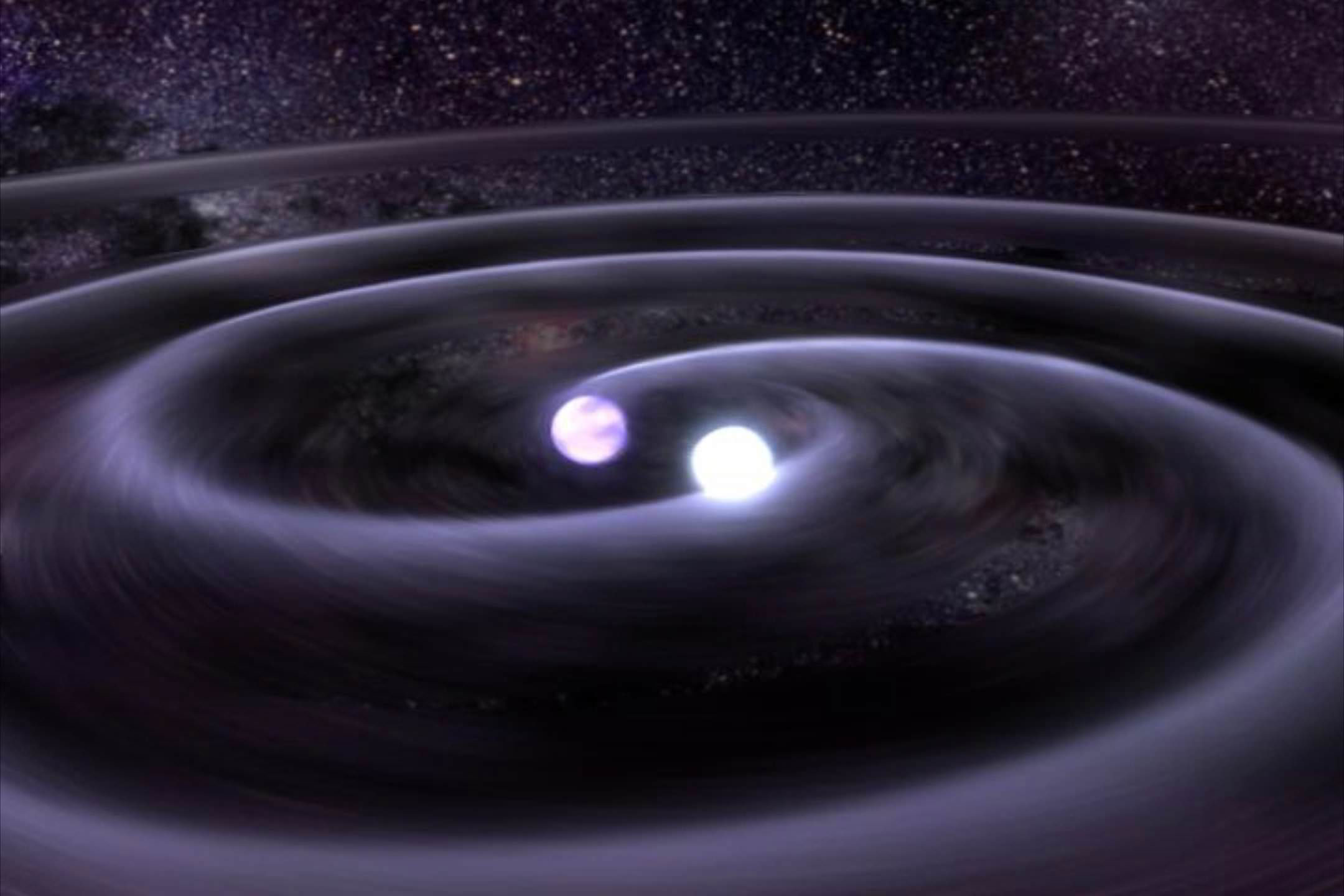
Star Formation History, Cosmology, and Transient Rates
Modeling transient populations across cosmic history.
Lab Calculating Rates
Computing astrophysical event rates from population synthesis outputs.
Lunch
Observatory's Cafeteria
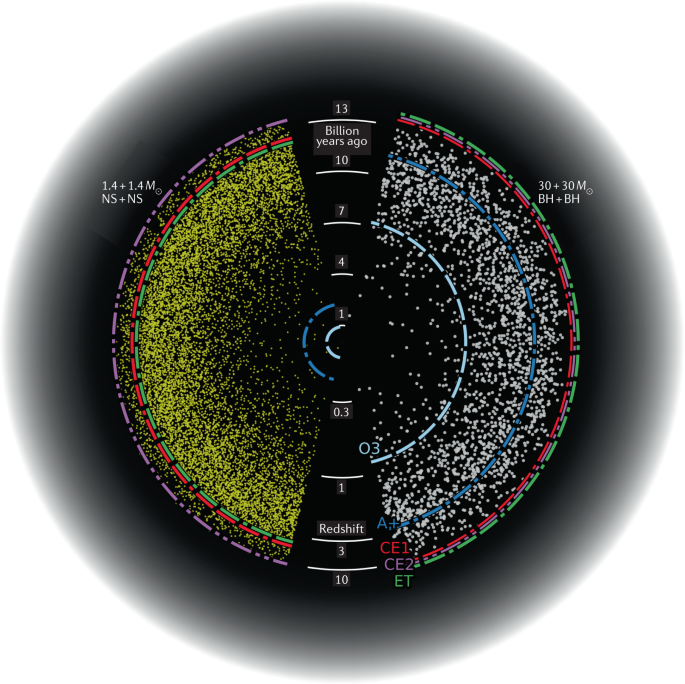
Lab Selection Effects
Understanding observational selection effects in transient populations.
Coffee Break
Observatory's Cafeteria

Lecture Eirini Kasdagli
Spectral synthesis with POSYDON
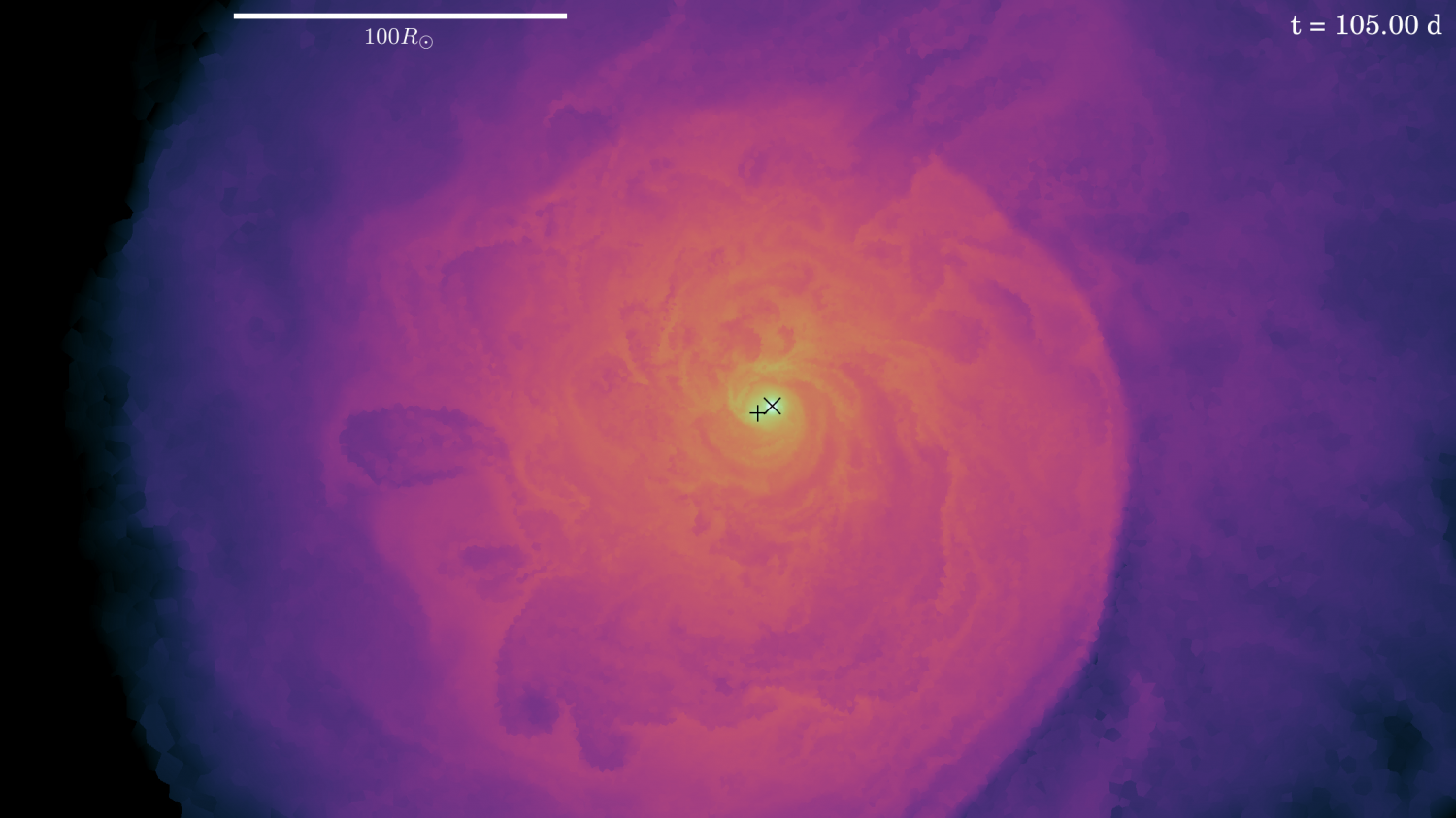
Lab Customizing CE Evolution
Implementing custom evolutionary steps and workflows in POSYDON.
Lab Custom Physics in Detached Evolution
Implementing and testing customized physical assumptions in POSYDON.
Coffee Break
Observatory's Cafeteria
Lab Running a new Grid
Practical introduction to running and managing simulation grids.
Lunch
Observatory's Cafeteria

Lecture Aggelos Katsaggelos
Initial-final Interpolation
Interpolation techniques used within the POSYDON framework.

Lab Interpolation in POSYDON
Hands-on exploration of interpolation methods and strategies.
Coffee Break
Observatory's Cafeteria
Closing Session School Recap / Farewell
Summary of the school and concluding discussion.
Registration Is Now Closed
Registration for the 2026 POSYDON School is now closed. Attendance is limited to 25 participants, and we expect to notify applicants after the application review is complete.
There is no registration fee for the school. We will provide free coffee breaks and lunches to all participants throughout the week.
- We ask all participants to plan to attend the full school from August 24 to August 27, 2026.
- Participants are expected to have a solid background in the physics of single and binary stellar evolution, typically acquired through advanced undergraduate or graduate-level coursework, or through relevant research experience.
- Participants are not expected to know how to use POSYDON but should bring a personal laptop for the hands-on sessions.
- We recommend that participants read the instrument papers for POSYDON v1 and POSYDON v2 to familiarize yourself with the code infrastructure.
- Familiarity with Python and command line usage is expected.
- For PhD, Master's, and Bachelor's students, we will reach out to your supervisor to confirm that you meet the availability, funding, and preparedness requirements. Make sure you have your supervisor's permission before applying.
Limited financial support may be available. Applicants for whom financial support is necessary for participation should send a separate email to anastasios.fragkos@unige.ch explaining and motivating their request.
Please email anastasios.fragkos@unige.ch with any questions or concerns.
School Venue
The 2026 POSYDON School will be hosted at the Geneva Observatory in Versoix, just outside Geneva, providing an ideal setting for a focused and interactive training school.
Geneva Observatory, Versoix
The school will take place at the Geneva Observatory, located at Chemin Pegasi 51, CH-1290 Versoix, Switzerland. You can also find the venue on Google Maps.
Where to Stay
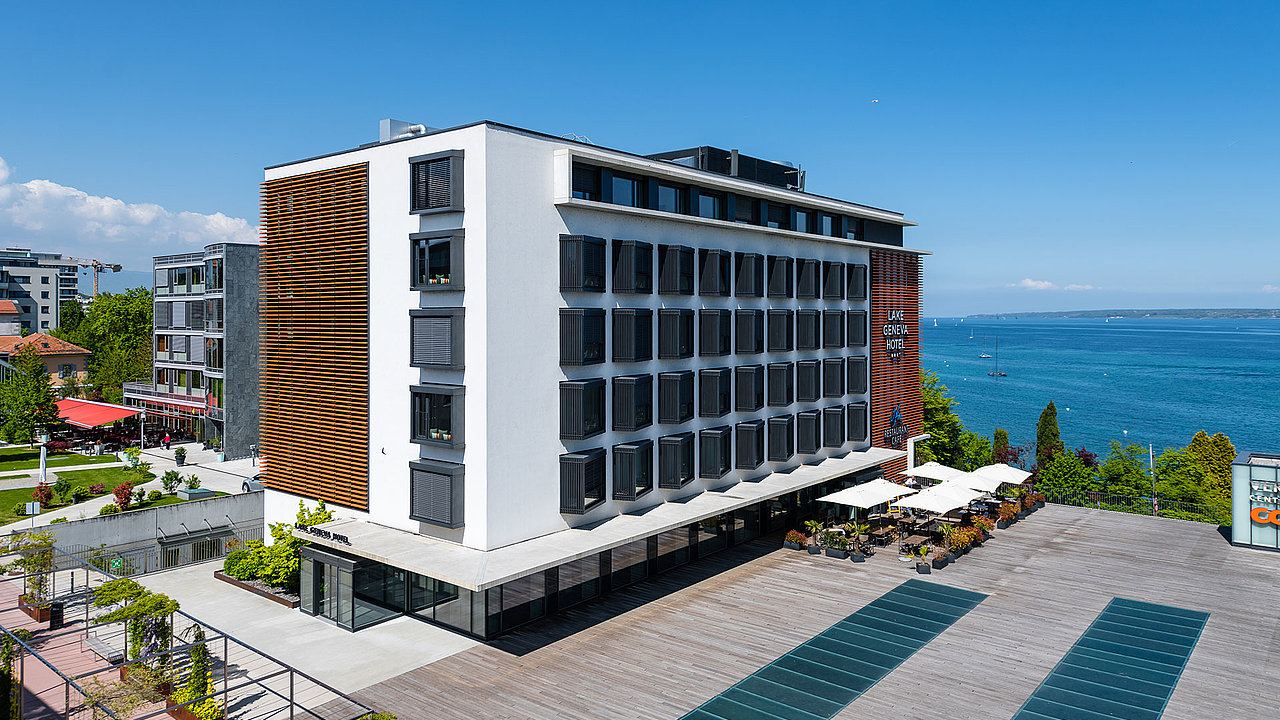
Participants are asked to arrange their own accommodation. We have reserved a limited number of rooms at the Lake Geneva Hotel in Versoix, which is the most convenient location for access to the Geneva Observatory. To take advantage of the secured rates, participants should make their reservation using the provided booking link. Reserved rates are 189 CHF/night for single occupancy and 209 CHF/night for double occupancy, including breakfast.
Instructors
Jeffrey Andrews
University of Florida
Tassos Fragos
University of Geneva
Seth Gossage
Northwestern University
Vicky Kalogera
Northwestern University/NSF-Simons SkAI Institute
Aggelos Katsaggelos
Northwestern University/NSF-Simons SkAI Institute
Manos Zapartas
FORTH Institute of Astrophysics
Max Briel
University of Geneva
Eirini Kasdagli
University of Florida
Mike Zevin
Adler PlanetariumTeaching Assistants
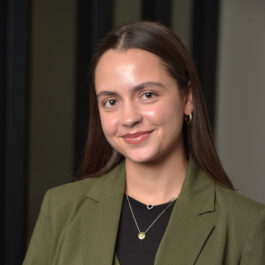
Ilia Kiato
Northwestern University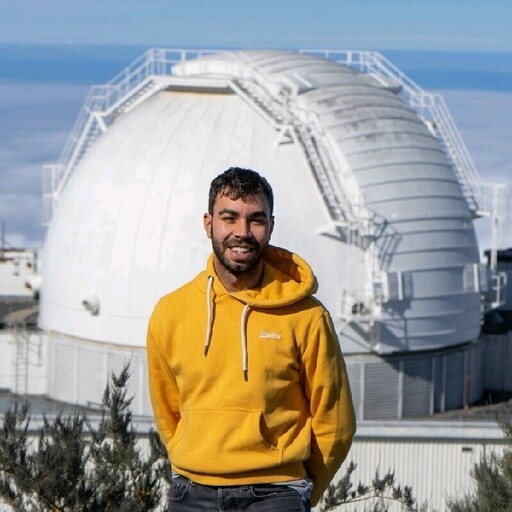
Dimitris Souropanis
IA FORTH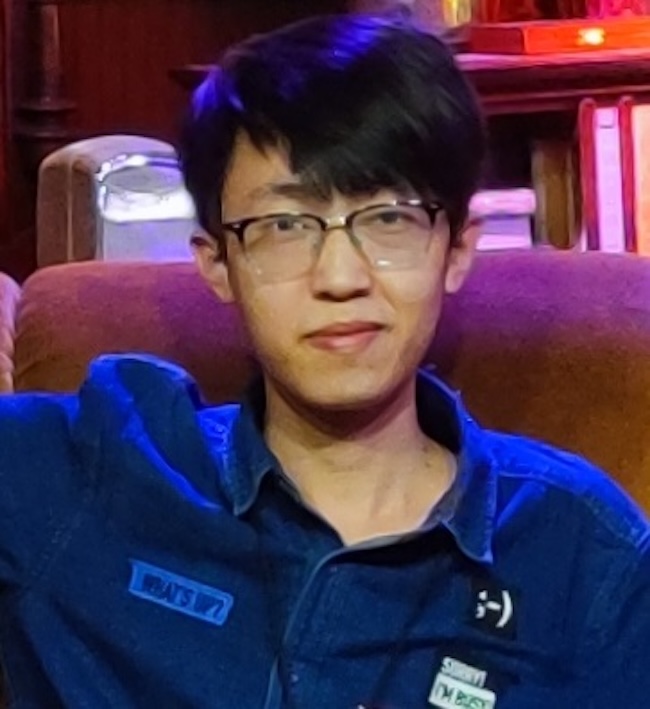
Zepei Xing
Northwestern University
Philipp Moura Srivatava
Northwestern University
Dean Kousiounelos
Northwestern University
David Aguilera-Dena
UNAM, MexicoScience Organizing Committee
Jeffrey Andrews
University of Florida
Tassos Fragos
Université de Genève
Vicky Kalogera
Northwestern University/SkAI Institute
Local Organizing Committee
Tassos Fragos
University of Geneva
Max Briel
University of Geneva
Nasthia Kellenberger
University of GenevaSchool Funding


Contact
Address
Geneva Observatory,
Chemin Pegasi 51,
CH-1290 Versoix, Switzerland